As an Amazon Associate, we earn from qualifying purchases. Some links on this site are affiliate links at no extra cost to you. Our recommendations are based on thorough research and editorial judgment.


EMF Safety and Wireless Charging: What Research Says

Wireless charging uses electromagnetic fields (EMFs) to transfer energy, primarily through inductive charging. Operating at frequencies between 110 to 205 kHz, it emits low-frequency EMFs during use. Prolonged exposure is linked to headaches and potential cognitive issues. While wireless charging can generate excess heat, impacting battery life, using Qi-certified chargers can enhance safety. Implementing protective measures, such as maintaining distance and using safety-compliant devices, is advisable for reducing risks. Further details on best practices are available.
Key Takeaways
- Wireless charging emits low-frequency EMFs, which are generally considered low risk but can increase exposure compared to wired charging methods.
- Prolonged EMF exposure may lead to health issues, including headaches, sleep disturbances, and potential cognitive impairments.
- Using certified Qi chargers with safety features minimizes EMF exposure while preventing overheating and other electrical hazards.
- Best practices, such as disconnecting devices when fully charged and maintaining distance during use, help reduce potential risks.
- Future research should explore long-term effects of EMF exposure from wireless chargers and evaluate safety features in modern charging technology.
Understanding Wireless Charging Technology
You may be interested


Wireless charging technology represents a significant advancement in how devices are powered. Utilizing electromagnetic fields (EMFs), it enables energy transfer between a charging pad and a device receiver coil, consequently eliminating the need for connectors. This process is primarily based on inductive charging, following the Qi standard, which guarantees compatibility across devices. Operating within a frequency range of 110 to 205 kHz, wireless chargers emit low-frequency EMFs, generally regarded as having low health risks. However, concerns exist regarding long-term exposure to EMF and the potential impact on health effects. Additionally, devices may generate heat during charging, which could affect battery lifespan if not properly monitored. Adhering to established safety standards is crucial for peak device performance. Ensuring chargers are Qi-certified provides an important layer of protection, as these devices include built-in safety features against overheating, over-voltage, and short circuits.
EMF Emission From Wireless Chargers

While modern charging solutions offer convenience, their associated EMF emissions warrant careful consideration. Wireless chargers emit low-frequency electromagnetic fields (EMFs) ranging from 110 to 205 kHz. This frequency is generally seen as posing minimal health risks. However, charging wirelessly results in higher EMF exposure compared to traditional wired methods, as additional radiation occurs during power transfer.
Prolonged exposure to these electric fields may lead users to experience concerns, such as hormonal imbalances and decreased cognitive functions. To promote safety and minimize exposure during wireless charging, users can adopt simple strategies:
- Keep devices away from the body
- Use chargers with automatic shutoff features
- Provide proper ventilation to prevent overheating
Selecting chargers with Qi certification ensures adherence to established safety standards and built-in protections against over-voltage and overheating.
Recommended Products
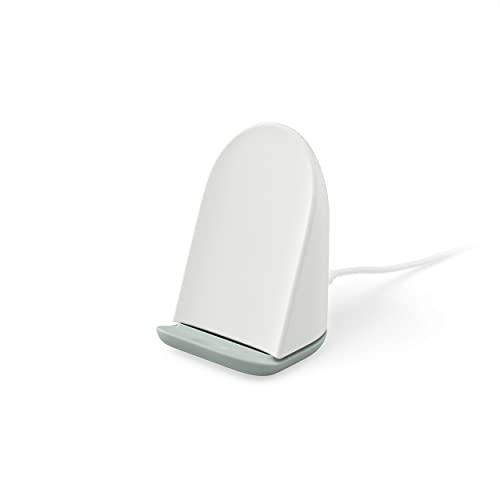
Google Pixel Stand (2nd gen) can wirelessly charge Pixel 6, Pixel 6 Pro, Pixel 7 and Pixel 7 Pro with the same power you’d get from a wired charger; just set your Pixel down and power up, phone case and all.Compatible devices:Cellular_phones.Special Feature:Wireless Charger.Input voltage: 120 volts

New 10W charger is up to 60% faster
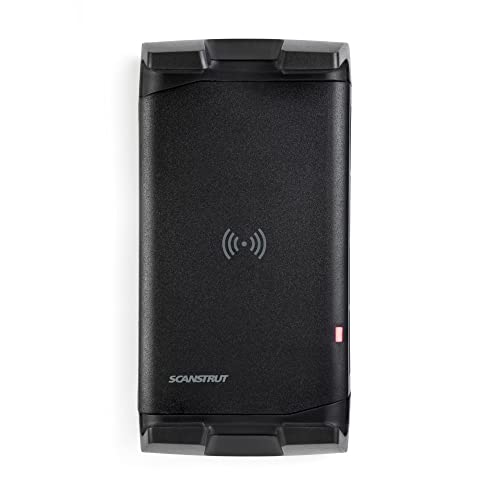
New 10W charger is up to 60% faster
Health Risks Associated With EMF Exposure

EMF exposure from charging devices raises valid health concerns, particularly for those who frequently use wireless chargers. Prolonged exposure to electromagnetic fields (EMFs) has been linked to symptoms such as headaches and sleep disturbances. In addition, the World Health Organization identifies mobile phone radiation as possibly carcinogenic to humans, complicating the impact of cumulative exposure from multiple devices.
Wireless charging may increase EMF radiation levels, especially when actively communicating, exceeding EMF exposure limits set by the FCC. While Specific Absorption Rate (SAR) values assess RF energy absorbed by the body, they can mislead users, as testing often does not reflect actual body contact. Modern wireless chargers incorporate intelligent current control and temperature regulation features that may help minimize prolonged EMF exposure during charging cycles. Hence, considering radiation protection measures is essential for users concerned about potential health risks.
Effects of Wireless Charging on Device Battery Life

The impact of wireless charging on battery life is an essential consideration for many device users. Wireless charging is generally less efficient than wired alternatives, leading to increased heat generation during the charging process. This excess heat may accelerate battery degradation, especially with long-term use. Users often note that devices can become warm while charging, creating risks of overheating if left connected for long periods, such as overnight.
To optimize battery life, users should:
- Disconnect devices from chargers once fully charged.
- Employ chargers featuring automatic shutoff features to minimize heat exposure.
Many modern wireless charging stations incorporate NTC TempGuard technology and other protective mechanisms to monitor temperature and prevent overheating during extended charging sessions.
Transitioning to wireless charging should involve awareness of these factors to guarantee device longevity and overall battery health.
Recommended Products

【Top-Flight Performance 】The 51.2V 100Ah liFePO4 battery is manufactured by 16Pcs Automotive Grade A grade prismatic cells with higher energy density, more stable performance & greater power. And has a compact 5.12kWh energy, which is equivalent to 4pcs 12V 100Ah LiFePO4 batteries in 4S (or even 8pcs 12V 100Ah AGM batteries in 8S). Fully compliant with the UL1973 safety standard and certified by Intertek ETL for reliable safe operation.

Maximum tying capacity of #8 x #7 rebar; minimum tying capacity of #4 x #4 rebar

LF-PV Series Pure Sine Wave Inverter is a combination of an inverter, AC charger and Auto-transfer switch into one complete system.It is packed with unique features and it is one of the most advanced inverter/chargers in the market today
The Safety Comparison: Wireless Vs Wired Charging

When evaluating charging methods, safety considerations between wireless and wired options become essential. Wireless Power Transfer (WPT) uses electromagnetic fields (EMFs) that can raise health concerns due to exposure to non-ionizing radiation levels. In contrast, wired charging typically generates lower EMF levels since it does not create a magnetic field during use.
Moreover, wired charging systems are generally more efficient, producing less heat, which benefits battery health. Wireless chargers, operating between 5W to 15W, can cause overheating if devices are not adequately placed, risking battery life. Implementing safety features, like automatic shutoff and proper ventilation, can mitigate risks associated with wireless charging, which are less of a concern in wired charging without overheating issues. Modern wireless chargers incorporate built-in cooling systems and heat dissipation mechanisms to maintain optimal charging temperatures and protect battery longevity.
Recommended Products

1 = 3 – You now get three professionally integrated stations in one compact package. The 853D Series comes equipped with a soldering iron station, a hot air rework station, and an essential DC power supply with voltmeter mode – a critical tool for components and repair that standard 2-in-1 stations simply don't include. All three stations operate simultaneously or independently, delivering the complete workstation required for professional electronics repair.

20A PWM CONTROLLER: Morningstar SunSaver Pulse Width Modulation (PWM) 20A solar charge controller with load contol delivers reliable charging for smaller solar systems. It regulates the power from the solar array to the battery bank. Benefit from lower power consumption and consistent energy harvesting efficiency.

TRULY CORDLESS PORTABLE SERIES - red light therapy - The combination of multifunctional controller and magnetic suction power bank power supply technology achieves cordless. The multifunctional battery controller can easily remove charging and installation, discard plugs and wires, hands free, move free.
Best Practices for Using Wireless Chargers
To guarantee ideal performance and safety while using wireless chargers, adhering to specific best practices is essential. First, utilize only wireless chargers that comply with recognized safety standards to minimize risks associated with EMF exposure. Limiting charging sessions by disconnecting devices once fully charged helps reduce battery wear and avoids overheating.
Ensuring proper ventilation around devices while on wireless pads mitigates heat buildup, promoting device safety. Additionally, consider using EMF protection products and maintain a safe distance from the charger during use. Regularly monitoring charging habits, such as avoiding overnight charging, can considerably enhance device longevity. Selecting chargers with automatic shutoff features further contributes to both safety and efficiency in wireless charging practices.
Recommended Products

Audible Warning Tone For Reverse Polarity - Warning tones for the following detected conditions: over-voltage limit and low battery voltage a capacitor will keep the power going to the amplifier consistent & stabilized, with a better sounding system

TRULY CORDLESS PORTABLE SERIES - red light therapy - The combination of multifunctional controller and magnetic suction power bank power supply technology achieves cordless. The multifunctional battery controller can easily remove charging and installation, discard plugs and wires, hands free, move free.

✅ FARADAY TRAVEL CASE - Mojave series travel case with accessory pockets and built-in faraday compartment designed for personal security, law enforcement and military forensic investigators, data protection, EMP/CME protection, and anti-hacking/anti-tacking/anti-spying assurance. The perfect solution for protecting your tablet or mobile devices from wireless threats in order to maintain digital privacy during airport travel, commuting, and busy locations.
Regulatory Framework Surrounding EMF Exposure
Understanding the regulatory landscape of electromagnetic field (EMF) exposure is vital for ensuring safety in today’s technology-driven world. Currently, there are no federal EMF exposure restrictions in the United States, although local regulations exist in some states. The Environmental Protection Agency (EPA) coordinates recommendations, primarily from the International Commission on Non-Ionizing Radiation Protection (ICNIRP).
ICNIRP sets safety guidelines, establishing exposure limits like 10 mA/m for occupational settings and 2 mA/m for the general population regarding low-frequency EMFs. Monitoring varies by country; in the U.S., the FCC regulates EMF emissions from wireless devices. Compliance with ICNIRP and IEEE standards is essential for evaluating wireless charger safety and maintaining EMF exposure within acceptable limits.
Common Symptoms Related to EMF Exposure
Numerous individuals report experiencing symptoms associated with electromagnetic field (EMF) exposure, particularly those who frequently use electronic devices. Common symptoms include headaches, fatigue, and sleep disturbances, with studies showing that approximately 87% of smartphone users report these issues after prolonged radiofrequency (RF) exposure. The World Health Organization classifies mobile phone radiation as a possible carcinogen, amplifying concerns about potential long-term health risks linked to extended EMF exposure.
Electromagnetic hypersensitivity (EHS) is a controversial condition, with symptoms such as dizziness, memory loss, and increased anxiety reported, albeit lacking broad medical validation. Ongoing research continues to explore the connections between EMF exposure, cognitive impairments, and various health concerns, particularly regarding long-term effects. Wireless chargers generate heat during operation as a byproduct of electromagnetic fields, and excessive heat generation should be monitored as it can diminish battery life and potentially contribute to discomfort during device use.
EMF Protection Measures for Users
While using wireless charging technology offers convenience, it also raises concerns about prolonged exposure to electromagnetic fields (EMF). To minimize potential risks, users should disconnect devices once fully charged. This action reduces prolonged exposure and the associated radiation from wireless chargers. Investing in EMF protection products like shielding pouches can appreciably limit radiation while allowing devices to function effectively.
Additionally, opting for chargers meeting recognized safety standards, such as ICNIRP guidelines, helps enhance safety. Ensuring proper ventilation during charging mitigates overheating and further EMF emissions. Finally, maintaining a distance of at least 2-3 feet from the charger while using it can effectively reduce EMF exposure, especially during activities such as sleeping. For those who wear smartwatches during charging periods, switching to lightweight nylon bands can enhance comfort during extended wear while keeping devices at a safe distance from the body.
Recommended Products

✅ MILITARY-GRADE FARADAY BAG - Designed for law enforcement and military forensic investigators to extract data and keep cell phones or similar size devices live during transport. Made in USA.
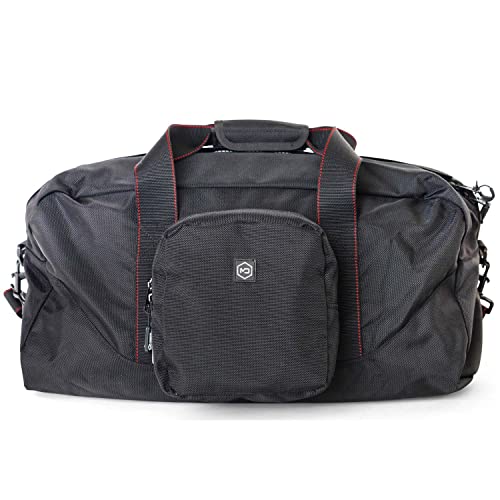
✅ RF SIGNAL SHIELDING - Faraday bag blocks WiFi (2.4 & 5GHz), Bluetooth, cell signals including 5G networks, GPS, RFID, and radio signals from low MHz to 40GHz. Prevents device hacking, tracking, spying, and chain of custody corruption.
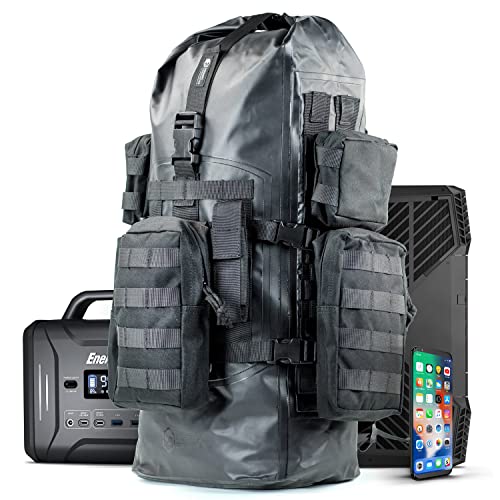
✅ MILITARY GRADE FARADAY DRY BAG - Offers instant signal isolation for uses such as military and law enforcement forensics investigations, grab-and-go missions, government and executive travel, personal data security, EMP/CME protection, and EMF reduction. MIL STD 188-125 and IEEE 299-2006 shielding effectiveness confirmed with full test reports, available upon request.
Future Research Directions on EMF Safety
As technological advancements continue to proliferate, the need for thorough research on the safety of electromagnetic fields (EMF) becomes increasingly essential. Future studies should focus on the long-term effects of EMF exposure, especially from devices like wireless chargers, to assess potential health risks. Investigating the cumulative effects of exposure from multiple devices is also critical, as many users face increased electromagnetic fields in their daily lives.
Additionally, the relationship between electromagnetic hypersensitivity (EHS) and EMF exposure requires clarification, with more investigations needed to validate reported symptoms. Finally, evaluating shielding technologies and best practices for device usage will be significant in developing effective guidelines that help mitigate exposure risks associated with EMF. Research should also examine the safety features implemented in modern wireless charging systems, such as TI smart chips that minimize heat buildup, to determine their effectiveness in reducing potential EMF-related concerns.
Final Thoughts on Wireless Charging and Health Risks
Given the widespread adoption of wireless charging technology, understanding its potential health risks is imperative. While wireless chargers emit low-frequency electromagnetic fields (EMFs), generally considered safe, prolonged exposure raises concerns. The International Agency for Research on Cancer classifies RF radiation from these devices as a Group 2B possible human carcinogen, calling for precautionary measures.
To minimize EMF exposure, users should consider:
- Limiting charging periods
- Ensuring proper ventilation for devices
- Using chargers with automatic shutoff features
Furthermore, watching charging sessions and disconnecting devices once fully charged can help reduce battery degradation and potential health risks. Modern chargers incorporate overcurrent protection and temperature regulation features that not only enhance device safety but also help manage heat generation during charging cycles. Awareness is key to ensuring safe human exposure to wireless charging technology while enjoying its convenience.
Frequently Asked Questions
Is Wireless Charging Safe in EMF?
Wireless charging is generally considered safe if users adhere to safety guidelines. However, concerns about EMF exposure and radiation risks may arise from prolonged use, necessitating awareness of charging efficiency, device compatibility, and individual user habits with technology advancements.
What Are the Symptoms of EMF Toxicity?
EMF toxicity symptoms may include headaches, fatigue, and sleep disturbances. Research indicates potential radiation effects on chronic health, raising health concerns. Sensitivity testing and protective measures suggest exposure limits may help alleviate discomfort and promote symptom relief.
Which Wireless Phone Charger Blocks EMF Radiation?
Amidst a maze of wireless charger designs, options featuring EMF shielding materials stand out. Research studies and user reviews analysis highlight models adhering to charger safety regulations, focusing on radiation reduction technology and eco-friendly alternatives in charging methods.
Is It Safe to Use a Phone While Wireless Charging?
Using a phone while wireless charging poses potential risks, including increased electromagnetic exposure, device interference, and heat generation. Users should follow safety guidelines to maximize charging efficiency and battery performance while minimizing associated phone usage risks.