As an Amazon Associate, we earn from qualifying purchases. Some links on this site are affiliate links at no extra cost to you. Our recommendations are based on thorough research and editorial judgment.


Authentication Chips in Qi 1.3 Chargers

Authentication chips are essential for Qi 1.3 chargers, ensuring secure wireless power transfer. These chips utilize advanced encryption, such as ECC P256 key pairs, to authenticate chargers before allowing higher power delivery. Without authentication, chargers are limited to 5 watts. This process protects devices from potential damage and overheating, promoting the use of certified chargers. Enhanced security measures foster user confidence in safe and reliable charging. Discover more about the impact and future of these chips in wireless charging technology.
Key Takeaways
- Authentication chips in Qi 1.3 chargers ensure secure wireless power transfer using hardware-based security protocols.
- They validate charger approval, permitting higher charging power levels above 5W after successful authentication.
- Major manufacturers like Fudan Micro and Infineon enhance security through various encryption algorithms and tamper-resistant memory.
- The certification process requires unique keys and compliance verification, limiting non-authenticated chargers to 5 watts.
- Successful authentication boosts user confidence in charger reliability and device safety, preventing overheating and battery damage.
Role of Authentication Chips in Qi 1.3 Chargers
You may be interested


Authentication chips play an essential role in Qi 1.3 chargers by establishing a secure environment for wireless power transfer. These chips utilize hardware-based security through a challenge-response protocol, validating power transmitter approval by the Wireless Power Consortium. By mandating secure elements like Microchip’s CryptoAuthentication™, Qi 1.3 devices guarantee compliance with safety and security standards.
The initial charging acceptance is limited to 0W or 5W, with higher power delivery up to 15W allowed only after successful authentication. Additionally, the integration of unique ECC P256 key pairs and X.509 certificates within authentication chips enhances security, guaranteeing reliable charger certification. This process greatly improves user experience, promoting compatibility and reducing safety risks associated with non-certified chargers. Modern Qi-Certified chargers incorporate these authentication mechanisms alongside built-in protections against over-voltage, over-temperature, and short circuits to ensure comprehensive device safety.
Recommended Products
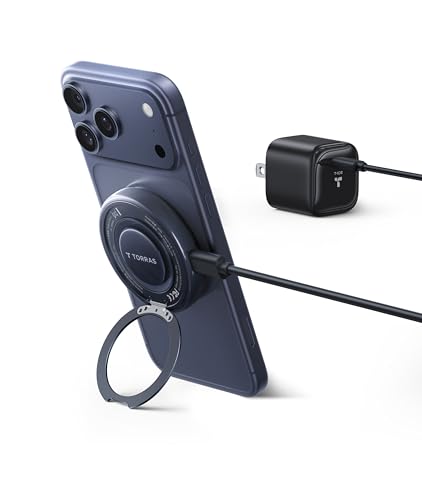
【High efficient】 It is a Qi2.2 25W Wireless Charger, Wireless Magnetic Phone Charger. This Phone wireless charger integrates an active cooling fan, a 360° phone charger stand. It provides high speed power for Phone 17/16/15/14/13/12 and Samsung Galaxy S26/S25/S24 series while maintaining peak performance for any desktop or movie watching scenario. Say no to phone heating, battery degradation, and slow phone chargers.

Qi2.2 CERTIFIED 25W FAST CHARGING: Charge your iPhone 17 Pro Max to 50% in just 30 minutes—exceeding the limits of standard 25W wireless charging with advanced TEC active cooling & cooling fan. Supports iOS 26 and later for full 25W power. Enjoy wired-level speed with the convenience of MagSafe wireless charging—up to 5× faster than 5W chargers, while staying cool and stable during charge. (Actual performance may vary)

0-1.18 Inch Charging Distance: The effective charging distance of this dual uses on and under desk wireless phone charger is 0-30mm(0"-1.18”). It charges through tables made of solid wood, slate, granite, marble, glass, plastic, quartz, etc. It allows you to use it under table as an innovative cool invisible wireless charging station or on the table as a wireless charging pad for thick cases. A great gadget to help you have a neat desk without cords
Importance of Secure Authentication in Wireless Charging

In a landscape where technology continuously evolves, the significance of secure authentication in wireless charging cannot be overstated. With Qi 1.3 introducing mandatory hardware-based authentication, this measure validates the approval of power transmitters before charging begins over 5W. Secure authentication protects valuable electronic devices from potential damage caused by poorly designed chargers, thereby addressing risks like battery drain and overheating. To ensure optimal safety and performance, users should prioritize certified third-party chargers that meet industry standards and include proper authentication protocols.
Recommended Products
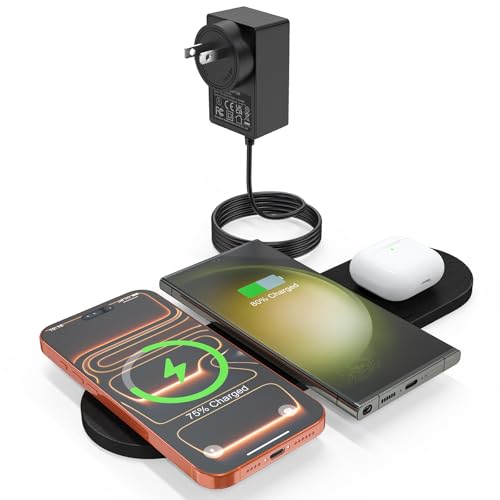
3-in-1 Drop-and-Charge Convenience for Busy Everyday Setups – With up to 15W + 10W + 10W wireless charging, this 3 in 1 wireless charging pad helps keep your everyday essentials powered in one clean, organized place. The first charging area supports up to 15W for compatible devices, while the second and third automatically adjust up to 10W for balanced multi-device charging. Ideal for bedside tables, dorm desks, office workstations, and shared household spaces, it helps reduce cable clutter, scattered chargers, and the frustration of low-battery devices when you need them most. Just place your devices down and enjoy a simpler, more organized charging setup every day.
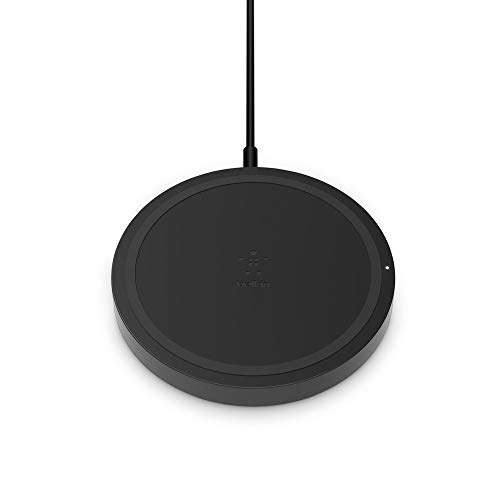
The Belkin Difference: #1 third-party maker of wireless charging accessories

Advanced 25W Fast Wireless Charging: Short on time? This magnetic wireless charger powers your iPhone 17 to 50% in just 25 mins. Experience Qi 2.2 25W speed matching wired charging, ensuring you're always ready to go.
Overview of Major Authentication Chip Manufacturers

The domain of Qi 1.3 wireless charging is significantly shaped by key manufacturers of authentication chips, each bringing unique innovations to enhance device security and compliance. Among them, Fudan Micro offers the FM1230 chip, which supports various encryption algorithms and guarantees secure storage for identity authentication in Qi2 MPP modules.
Infineon’s OPTIGA™ Trust X chip excels in mutual authentication through ECDSA and features tamper-resistant memory. STMicroelectronics’ STSAFE-A110 stands out with its CC EAL5+ certification, employing advanced encryption methods and monitoring for device usage.
Lastly, Tsinghuaic’s T9 series provides compact authentication solutions compliant with AEC-Q100 specifications, making them versatile for consumer, industrial, and automotive applications. These manufacturers shape the security landscape of Qi 1.3 charging. These authentication technologies enable modern power banks to deliver 15W wireless charging capabilities while maintaining secure device connections and preventing unauthorized access.
Recommended Products

Universal Wireless Charging Compatible with MagSafe and Much More: The magnetic array on the snap+ wireless charger is compatible with MagSafe for iPhone 12 models and any Qi-enabled smartphone.

From INIU — the SAFE Fast Charge Pro: Experience the safest charging with over 38 million global users. At INIU, we use only the highest-grade materials, so we do have the confidence to provide an industry-leading 3 years INIU care.

【25W Powerful & Secure Wireless Charger】This 25W apple wireless charger with Qi2.2 certification supports 25W fast charging for phones and 5W for earbuds. It charges iPhone 16 to 60% in about 40 minutes with a 16V+ PPS adapter (adapter not included).This wireless charger iPhone has an intelligent chip against overcharge, overcurrent, overvoltage, overheating and short circuit. Efficient heat dissipation and auto power-off ensure safe low-temperature charging and battery protection.
Certification Process for Qi 1.3 Chargers

While steering through the certification process for Qi 1.3 chargers, manufacturers must guarantee robust validation steps to achieve hardware-based authentication. This process includes obtaining a Product Unit Certificate, necessitating collaboration with Approved Manufacturer Certificate Authority Service Providers to issue unique keys and X.509 certificates for each device. Manufacturers must adhere to specific authentication algorithm verification processes while demonstrating compliance with the security requirements outlined in the Qi 1.3 specifications set by the Wireless Power Consortium (WPC).
Successful authentication allows chargers to deliver up to 15 watts of power, considerably enhancing charging efficiency. In contrast, non-authenticated chargers are limited to a mere 5 watts, which can impact performance and user safety by mitigating risks like overheating and battery damage. Certified chargers also ensure compatibility with all Qi-enabled devices, from the latest iPhones to Samsung Galaxies, providing reliable charging across multiple device types.
Recommended Products
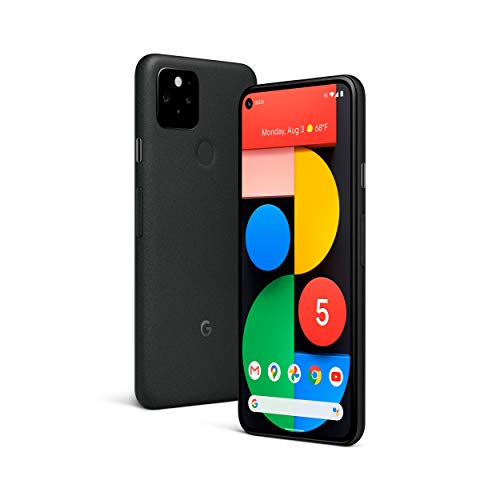
New, unlocked Android phone gives you the flexibility to change carriers and choose your own data plan; unlocked smartphone works with T-Mobile, Sprint, AT&T, Verizon, and other major carriers[1].Form_factor : Smartphone

SUPER FAST WIRELESS CHARGING: Get the charge you need quickly, thanks to up to 15W of Fast Charging support; This boost of battery is compatible with USB PD and Adaptive Fast Charging travel adapters for an easy pick-me-up*

FAST CHARGE W/ THE LATEST Qi2 TECHNOLOGY: Charge your iPhone or Qi2 devices up to 25W on the magnetic charger; fast charging is supported only on iOS 26 and newer, not iOS 18; MagSafe 25W wireless charger for up to 5x faster wireless charging*
Impact of Authentication on User Experience

Understanding the significance of authentication chips in Qi 1.3 chargers reveals their profound influence on user experience. These chips provide a secure authentication process via an X.509-based challenge-response protocol, allowing devices to achieve higher charging power levels securely. This innovative feature guarantees that only trusted chargers can interact with devices, markedly enhancing user trust.
Key benefits include:
- Enhanced Safety: The hardware-based authentication prevents overheating and battery damage from poorly designed chargers.
- Optimal Power Delivery: Fifteen-watt charging becomes possible after successful verification, guaranteeing efficient power delivery.
- Improved Compatibility: Devices will only connect with Qi-certified chargers, fostering a safer charging environment.
- User Confidence: Similar to how 12-month warranties provide customer reassurance in product quality, authentication chips boost consumer confidence by ensuring only certified, reliable chargers can deliver power to their devices.
Comparison of Authentication Chips in the Market
Numerous authentication chips currently lead the market, each offering distinct features tailored for Qi 1.3 chargers. The Fudan Micro FM1230 specializes in supporting various symmetric and asymmetric algorithms while ensuring secure storage and identity authentication. Infineon’s OPTIGA™ Trust X enhances security through mutual authentication and secure communication, incorporating DTLS protocols.
Additionally, STMicroelectronics’ STSAFE-A110 is noted for its robust security measures, certified on the CC EAL5+ platform. The Tsinghuaic T9 Series is versatile, designed for consumer, industrial, and automotive applications, ensuring reliability in Qi 1.3 charger design.
These authentication chips are essential for meeting complex certification requirements, securing communication between charging transmitters and receiving devices during wireless charging. When evaluating these chips, consider the balance of craftsmanship and durability alongside compatibility with different charging models to ensure optimal performance and long-term reliability.
Future of Authentication in Wireless Charging Standards
The future of authentication in wireless charging standards appears increasingly critical as technology evolves. With the Qi 1.3 certification mandating authentication chips, secure elements within these chips must meet high-security standards for effective power transmitter identification. This focus on safety not only enhances performance but guarantees that devices are compatible across various platforms.
The introduction of the Magnetic Power Profile (MPP) in the upcoming Qi2 standard further underscores the necessity of robust authentication mechanisms. As wireless charging technology progresses, continuous innovation in authentication chips will be essential. These advancements will help tackle evolving technical challenges, promoting improved device compatibility and overall user experience within the wireless charging ecosystem. Consequently, the evolution of these standards remains pivotal in shaping future charging solutions.
Frequently Asked Questions
How Do Authentication Chips Affect Charger Pricing?
Authentication chips influence charger pricing through cost implications linked to manufacturing standards and quality assurance. They enhance consumer trust and resale value, impacting features while intensifying market competition among manufacturers aiming for compliance and innovation.
Can Non-Certified Chargers Damage Devices?
Cutting corners with non-certified chargers often jeopardizes charger safety and device protection. Ignoring manufacturer guidelines may lead to electrical compatibility issues, compromising charging standards and quality assurance, ultimately posing potential risks to devices.
Are Authentication Chips Replaceable or Upgradeable?
Authentication chips are generally not replaceable or upgradable due to compatibility concerns and manufacturer guidelines. Repair difficulties often arise, and adherence to certification standards is critical, limiting options for adopting future technologies in charging solutions.
What Is the Lifespan of Authentication Chips?
In the world of technology, longevity is key. Chip durability often hinges on environmental factors and industry standards, while device compatibility and advancements in chip technology shape lifespan determinants, paving the way for future innovations.
How Do I Know if My Charger Is Qi-Certified?
To determine if a charger is Qi-certified, one should check for official certification labels from industry certification bodies, verify charger compatibility testing, and guarantee adherence to consumer safety standards and manufacturer’s quality assurance to avoid counterfeit warnings.