As an Amazon Associate, we earn from qualifying purchases. Some links on this site are affiliate links at no extra cost to you. Our recommendations are based on thorough research and editorial judgment.


Watch Band Durability Testing Standards

Watch band durability testing standards are essential for ensuring safety and longevity. Manufacturers follow strict guidelines like NF S86-604 and NF S86-606 for material strength. They assess silicone, metal, and rubber bands for resistance to environmental factors, including UV exposure and moisture. Testing methods evaluate flexibility and tensile strength, ensuring bands can withstand real-world use. Such rigorous testing confirms quality and reliability, promising that users can trust their watches in various conditions. More insights await on this topic.
Key Takeaways
- Watch bands must adhere to NF S86-604 and NF S86-606 standards to ensure durability and strength under regular use.
- Diving watch bands follow ISO 6425 standards, focusing on performance in saltwater environments.
- Durability tests assess materials for shock, temperature, moisture resistance, and require spring bars to withstand forces of 200 N.
- Moisture resistance evaluation involves submerging bands in water to determine absorption rates and seal integrity.
- Quality control includes repeated flexing tests to simulate real-world conditions and ensure long-term reliability.
Importance of Watch Band Durability Testing
You may be interested
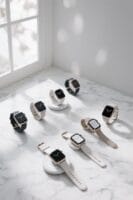


The durability of a watch band is essential for guaranteeing reliable use in everyday situations. Watch bands must undergo rigorous strength tests governed by standards NF S86-604 and NF S86-606. These tests assess attachment reliability and help prevent accidental detachment during normal wear. Moreover, specific materials like silicone, metal, and leather are evaluated for their durability to confirm they perform well against wear and environmental exposure.
The manufacturing process incorporates extensive durability testing, which measures factors such as abrasion resistance and the ability to withstand outside forces. Additionally, in-house quality checks bolster these standardized tests. This commitment to quality guarantees that watch bands maintain their integrity and function throughout their lifespan, providing users with confidence in their timepieces. For example, premium watch bands often feature water-resistant materials like silicone that combine durability with practical benefits for active lifestyles and various environmental conditions.
Types of Materials Used in Watch Bands

When selecting a watch band, understanding the types of materials available is essential for making an informed decision. Popular choices include silicone, metal, leather, and rubber, each offering distinct advantages.
Silicone straps are favored for their water resistance and flexibility, ideal for sports and outdoor activities. Metal bands, often made from stainless steel, offer durability and a classic look, though they may need treatments to resist corrosion.
Rubber and polyurethane materials excel in diving watch bands due to their resistance to saltwater and extreme temperatures, often meeting ISO durability standards.
Ultimately, the choice of material will affect comfort, style, and suitability for specific activities, allowing users to find the right match for their needs. Similar to how multi-device charging stations must accommodate various electronic gadgets with different compatibility requirements, watch bands need to match specific activity demands and user preferences.
Recommended Products

Movement: COSC-Certified Automatic Mido Caliber 80 Chronometer SI with silicon balance spring. In addition to its non-magnetic properties, it offers greater precision and improved shock resistance. This caliber ensures exceptional autonomy of up to 80 hours.
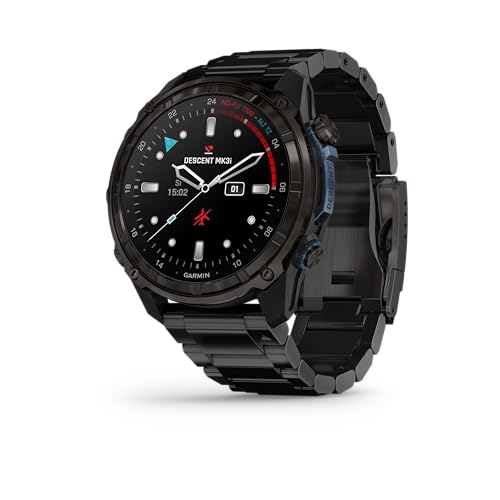
Advanced, watch-style dive computer features a stunning 1.4” AMOLED display, scratch-resistant sapphire lens, 51 mm titanium bezel and optional titanium bracelet - Physical size - 51 x 51 x 16.4 mm Fits wrists with the following circumference: Silicone band: 135-230 mm Extra long silicone band: 135-355 mm Titanium bracelet: 135-220 mm
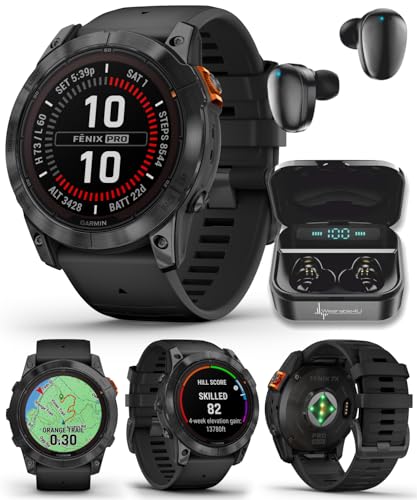
IN THE BOX: 1x Garmin fenix 7X Pro – Solar Edition (not enabled with Wi-Fi connectivity), 1x USB-C charging/data cable, 1x Wearable4UBlack EarBuds, 1x microUSB cable
Key Durability Testing Standards

To guarantee watch bands meet consumer expectations and withstand daily challenges, manufacturers adhere to stringent durability testing standards. The watch industry primarily follows standards such as NF S86-604 and NF S86-606, focusing on strap strength and attachment reliability. Diving watches are subjected to ISO 6425, guaranteeing performance and resistance testing against saltwater conditions.
Testing procedures evaluate materials’ physical strength, including their ability to resist shock, temperature fluctuations, and moisture. Spring bars must endure forces of 200 N in both directions, guaranteeing secure attachment during regular use. Extensive quality control includes in-house testing alongside established horology standards. Such practices guarantee reliability in each custom watch, ultimately fostering customer satisfaction and long-lasting performance. Premium materials like stainless steel clasps provide enhanced durability and corrosion resistance, ensuring bands maintain their integrity even during rigorous activities.
Recommended Products
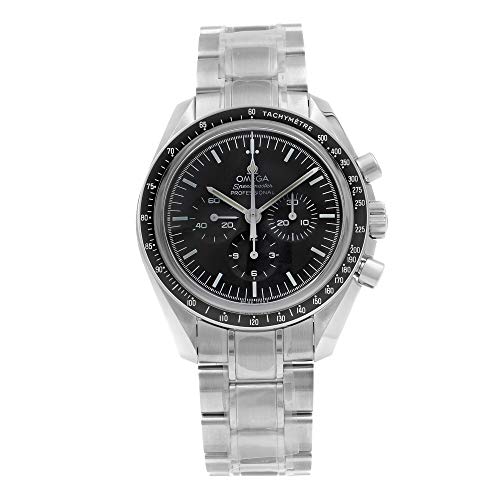
First Man On The Moon Watch Model 31130423001005
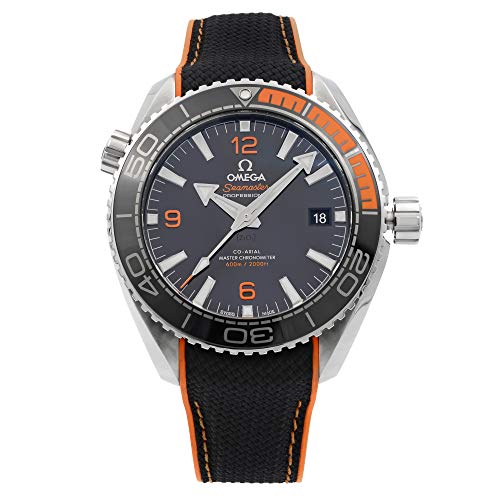

World time watch in silver tone finish featuring sunray globe dial with date guilloche date subdial at 6 o'clock
Flexibility and Tensile Strength Assessments

Assessments of flexibility and tensile strength play a vital role in determining the durability of watch bands. Flexibility tests involve bending the band to evaluate how well it retains its shape and withstands repeated movements without breaking. These tests guarantee that the materials can endure daily wear.
Tensile strength testing measures the maximum pulling force a strap can handle before failure, assuring reliability during regular use. For example, spring bars must endure forces of up to 200 N, verifying their attachment to the watch case.
Standards such as NF S86-604 and NF S86-606 provide guidelines for manufacturers, helping them select materials that balance comfort and longevity, essential for user satisfaction and lasting performance. High-quality silicone watch bands are specifically engineered to withstand daily wear and active use conditions while maintaining their structural integrity throughout prolonged use.
Recommended Products

COMPATIBILITY: Compatible with any Small (38mm/40mm/41mm) or Large (42mm/44mm/45mm/49mm) Apple Watch, Watch 2, Watch 3, Watch 4, Watch 5, Watch 6, Watch 7, Watch 8, Watch 9, Watch 10, Watch SE, Watch Ultra & Watch Ultra 2. Select case size before adding to cart.
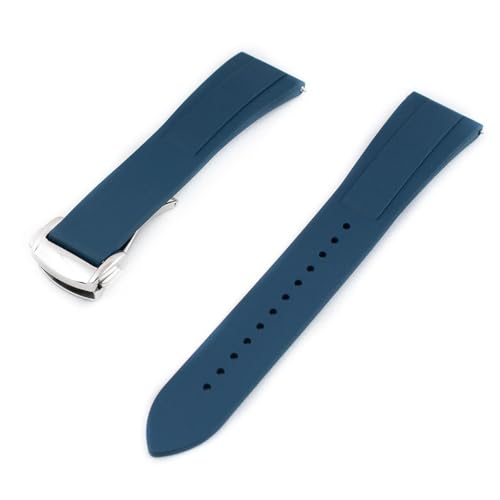
Fits wrists between about 6 and 8.25 inches with no loose tail

ULTRA-DURABLE FKM RUBBER MATERIAL – Crafted from AnchorFlex FKM rubber, this strap is built to handle everything from deep-sea dives to daily commutes. It resists sweat, heat, UV rays, saltwater, and chemicals—making it perfect for long-term wear in any environment. The rubber is soft against the skin yet structured for secure support. It won’t crack or degrade like silicone, ensuring years of use with modern dive watches and vintage models alike.
Resistance to Environmental Factors

Durability against environmental elements is essential for the longevity of watch bands. Watch bands must withstand factors such as UV exposure, temperature fluctuations, and saltwater immersion, which are significant band longevity factors. An environmental impact analysis assesses how these conditions affect the materials used, ensuring they maintain performance and aesthetics over time.
Underwater performance standards, like the ISO 6425, demand that watch bands endure harsh diving conditions. Testing methods, including ozone resistance and cold impact assessments, evaluate potential degradation effects. Additionally, environmental stress tests are vital to maintaining the structural integrity and reliability of watch bands, cementing their ability to perform across diverse environments while ensuring a lasting attachment to the watch. Genuine leather bands require special care and regular upkeep to maintain their appearance when exposed to environmental stressors.
Recommended Products

Classic comfortable design; Constructed of weather-resistant simulated wood

10’x10’ folding one-piece steel frame with100 sq ft of shade. This durable lightweight canopy provides an instant escape from the sun, making it an ideal choice for the beach, sporting events, festivals, and anywhere else you need protection from the sun. The sidewall enhances coverage by blocking intense rays while adding privacy.

The Original Design: Bigger than our 40x40 modular shelter, the XLarge 1–2 Person shelter’s patented enclosure is big enough to fully cover one adult in a folding camping chair, with plenty of legroom and space for a tote bag or small cooler.
Abrasion Testing for Long-Lasting Performance
Wear resistance is a fundamental aspect of watch band durability, and abrasion testing plays a key role in evaluating this characteristic. This testing helps determine abrasion resistance materials that can withstand wear over time, maintaining both functionality and appearance. Manufacturers utilize rigorous testing methodologies comparison to identify materials that endure significant friction and stress without degrading.
Standards like NF S86-606 guarantee that watch bands are subjected to tests simulating real-world conditions, revealing potential failure points. The data obtained from these tests contributes to the development of longevity performance metrics, guiding improvements in product design. Similar to how overheating protection features are essential in wireless charging technology, thermal management during abrasion testing ensures accurate results by preventing heat-induced material degradation. Ultimately, this process enhances customer satisfaction by guaranteeing the reliability and quality of watch bands in everyday use.
Recommended Products

Tourbillon Watch: As one of the pinnacles of horological achievement, Tourbillon refers to escapement wheel and escapement fork set on a rotating activity frame, the rotating of tourbillon can reduce the effects of gravity and make time more accurate. Case diameter: 42.5mm, Case thickness: 12mm, Tourbillon clockwork movement, vibration frequency 4HZ(28800 v.p.h), revealing extraordinary mechanical charm
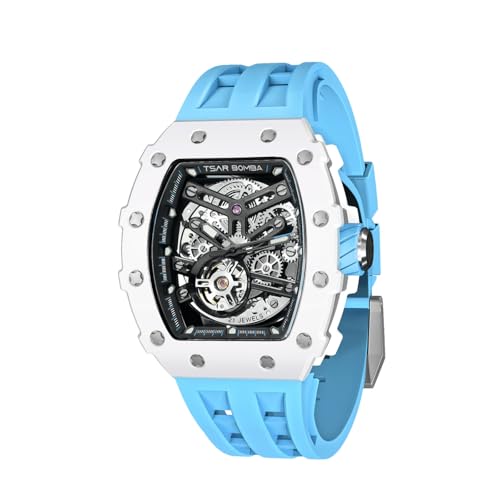
New Carbon Fiber Technology: Born in a joint Sino-German R&D laboratory. Combining mechanical engineering, innovative materials, and precision manufacturing with Eastern aesthetics, it continuously drives technological breakthroughs. Featuring an ergonomic double-bridge design, it incorporates lighter aerospace-grade hard materials—a carbon fiber case and 316L stainless steel caseback—ensuring exceptional shock resistance.

Effects of Temperature Extremes on Bands
To guarantee peak performance and material integrity, it is essential for watch bands to undergo thorough testing at temperature extremes. Temperature variations impact materials greatly, affecting their elasticity and durability. The NF S86-606 standard mandates a material integrity assessment to evaluate how straps respond to extreme conditions analysis.
Testing reveals that extreme heat can soften materials like silicone and rubber, causing deformation. Conversely, extreme cold can result in brittleness, leading to cracks and failure. Regular testing at temperatures from -20°C to 70°C allows manufacturers to identify potential failures. Additionally, understanding temperature-induced expansion and contraction guarantees that watch bands maintain secure attachment during daily wear, improving longevity and user satisfaction. Advanced TI smart chips in modern testing equipment help minimize heat buildup during evaluation procedures and enhance the accuracy of durability assessments against wear and temperature damage.
Moisture Resistance Testing Methods
While exposure to water is a common concern for watch bands, evaluating their moisture resistance is essential for ensuring reliability. Moisture absorption testing involves submerging the band in water for a predetermined submerged exposure duration, allowing evaluators to detect any swelling, discoloration, or structural changes.
Standards like ISO 6425 specify requirements for moisture resistance, especially for diving watches. A critical aspect of these tests is the seal integrity assessment, where pressure is applied to crowns and push-pieces to verify their effectiveness against water ingress.
Thorough moisture resistance testing is crucial, as it confirms that watch bands can endure both everyday wear and extreme conditions without compromising functionality or durability, ensuring long-term performance. Similar to how magnetic alignment ensures secure positioning in portable charging systems, proper seal alignment in watch bands is critical for maintaining water resistance during testing protocols.
Repeated Flexing Tests for Reliability
As watch bands are often subject to frequent bending and stretching during everyday use, repeated flexing tests serve as a crucial measure of their durability. These tests simulate real-world scenarios by exposing watch bands to thousands of flex cycles, evaluating their resistance to breakage and material fatigue. Industry standards dictate the required number of cycles, ensuring consistent product reliability.
The outcomes of these tests play an essential role in material fatigue analysis, guiding selections that enhance durability. Additionally, the results inform design optimization strategies, allowing manufacturers to make necessary modifications. Overall, thorough flex testing greatly contributes to improved customer satisfaction by ensuring that bands can maintain both functionality and appearance over time.
The Role of Quality Control in Manufacturing
Quality control plays an essential role in the manufacturing of watch bands, ensuring that each strap meets stringent durability and safety standards. Effective quality assurance processes, including tensile strength tests and adherence to NF S86-604 and NF S86-606, are imperative. These standards focus on evaluating design considerations like attachment reliability, which are fundamental for user safety during normal conditions.
In-house quality checks supplement established horology standards, employing extensive testing methods such as shock, temperature, and saltwater resistance assessments. Proper test systems and fixturing guarantee accurate load application, which is crucial for small component testing. Emergency release mechanisms are also critically evaluated, particularly in diving watches, ensuring they function reliably in underwater environments. Modern watch bands incorporate antimicrobial protection alongside durability testing to ensure both hygiene and longevity during extended wear conditions.
Future Trends in Watch Band Durability Standards
As the watch industry evolves, future trends in durability standards for watch bands are expected to shift considerably, reflecting advancements in material technology. Future materials innovations will focus on enhancing UV resistance and overall longevity, particularly through the use of synthetic materials like silicone and thermoplastic elastomers.
Moreover, smart technology integration in watch bands will require new testing standards to assess the resilience of electronic components against moisture and shock.
Finally, addressing sustainability challenges will push manufacturers to implement eco-friendly testing protocols that not only verify durability but also evaluate environmental impact. Developing standardized metrics for essential features, such as emergency release mechanisms, will further guarantee safety and usability in extreme conditions. Similar to how wireless charging devices incorporate foreign object detection systems to prevent safety hazards, watch bands with integrated electronics will need protocols to detect and prevent interference from external materials.
Frequently Asked Questions
How Long Should a Watch Band Last?
A well-crafted rubber watch band typically lasts 3 to 5 years, while leather may endure 1 to 3 years. Wear and tear, along with watch maintenance, are essential for recognizing replacement indicators.
What Is the Most Durable Material for Watch Straps?
Among various materials, metal offers superior longevity due to its scratch resistance, while synthetic options like nylon provide exceptional durability. Leather, when treated, can compete but requires maintenance, making metal typically the most durable choice for watch straps.
How to Tell if a Watch Band Is Too Loose?
To determine if a watch band is too loose, one should check the watch fit by ensuring no more than two fingers fit comfortably between the band and wrist, maintaining wrist comfort without sacrificing band adjustability.
How Long Do Rubber Watch Bands Last?
Rubber watch bands typically last between 2 to 5 years. Longevity factors include watch band maintenance and exposure to elements. Regular care can maximize lifespan, while replacements may be necessary as elasticity and performance decline.


