As an Amazon Associate, we earn from qualifying purchases. Some links on this site are affiliate links at no extra cost to you. Our recommendations are based on thorough research and editorial judgment.


Understanding RoHS Compliance in Electronic Accessories

RoHS, or Restriction of Hazardous Substances, is essential for electronic accessories. It limits materials like lead and mercury to protect health and the environment. Compliance is mandatory within the EU, covering various products such as chargers and medical devices. Companies must assess materials, obtain supplier declarations, and document compliance to avoid penalties. Understanding these requirements guarantees safer products and promotes sustainability. Exploring more about exemptions and compliance strategies offers further insights into RoHS regulations.
Key Takeaways
- RoHS compliance restricts ten hazardous substances in electronic accessories, enhancing safety and environmental sustainability.
- Manufacturers must conduct material assessments and obtain supplier declarations to confirm compliance.
- Testing is essential to ensure the concentration of restricted substances meets RoHS limits.
- Non-compliance can lead to fines, market restrictions, and reputational damage for businesses.
- Regular monitoring of regulatory updates is crucial for maintaining ongoing compliance and adapting to changes.
What Is Rohs and Its Importance for Electronic Accessories
You may be interested


RoHS, or Restriction of Hazardous Substances, represents a crucial set of guidelines aimed at enhancing safety and sustainability in electronic accessories. Enforced within the EU market, RoHS mandates compliance by restricting ten hazardous substances, including lead, cadmium, and mercury. The objective is to protect human health and the environment from the detrimental effects of these materials.
Adhering to RoHS standards is not merely about legal obligations; it profoundly impacts product safety and consumer trust. Companies that comply with RoHS enhance their sustainability credentials, appealing to environmentally-conscious consumers. Additionally, non-compliance can result in hefty fines and the inability to sell products in the EU, emphasizing the importance of understanding and implementing RoHS guidelines in electronic accessories. When selecting electronic accessories like wireless charging stickers, verifying device compatibility and safety certifications ensures both optimal performance and adherence to health standards.
Overview of Restricted Substances Under RoHS

Understanding the list of restricted substances under RoHS is essential for manufacturers of electronic accessories. The RoHS directive restricts ten hazardous materials, including lead (Pb), mercury (Hg), cadmium (Cd), and hexavalent chromium (Cr6+). Specifically, lead and mercury are limited to a maximum concentration of 0.1% by weight, while cadmium has a stricter limit of 0.01%.
In 2019, RoHS 3 expanded the list to include four phthalates—DEHP, BBP, DBP, and DIBP— each capped at 0.1% by weight. RoHS compliance not only helps eliminate toxic chemicals from products but also promotes environmentally friendly practices in the electronics industry. Compliant products guarantee reduced environmental impact and support sustainable manufacturing. Manufacturers of electronic accessories, similar to premium watch bands, must balance craftsmanship and durability with regulatory compliance to deliver products that meet both quality standards and environmental requirements.
Recommended Products

【High-Performance Electric Surfboard】Powered by 20KW water jet system delivering explosive 68km/h top speed for thrilling wave-riding experiences.

Tripp Lite SU5000RT4UHV 5000VA / 5kVA / 4500 watt on-line, double-conversion UPS system in a single 4U rack/tower compatible housing

COMMERCIAL-GRADE L6-30P Plug and L6-30R Connector L6-30P Plug and L6-30R Connector
Evolution of the RoHS Directive and Its Impacts

The RoHS directive has undergone significant changes since its inception in 2002, reflecting ongoing efforts to enhance safety and environmental protection in the electronics sector. Initially aimed at six hazardous substances, the directive has evolved through multiple EU directives, particularly RoHS 2 in 2011 and RoHS 3 in 2015. These updates expanded product categories and introduced CE marking for RoHS compliance, thereby ensuring manufacturers adhere to strict compliance requirements.
RoHS 3 added four phthalates to the list of restricted substances, further addressing environmental risks. The evolution of RoHS highlights the importance of compliance for manufacturers, as non-compliance can lead to penalties, market restrictions, and reputational damage in the competitive electronic products landscape. Manufacturers of electronic accessories, such as smartwatch bands, must choose reputable brands that prioritize RoHS compliance to ensure their products meet safety standards and avoid hazardous materials in consumer electronics.
Categories of Electronic Accessories Subject to RoHS Compliance

While numerous electronic accessories exist in the vast consumer market, many are subject to RoHS compliance to guarantee safety and environmental protection. Key categories include chargers, cables, and connectors found in consumer electronics, which must adhere to strict regulations regarding hazardous substances. Medical devices also fall under RoHS compliance; accessories for diagnostic equipment and monitors are carefully regulated to ascertain user safety.
Telecommunication accessories, such as routers and switches, are subject to similar scrutiny, limiting hazardous materials. Additionally, industrial electronic accessories, used in manufacturing processes, like sensors and control devices, must comply with RoHS. For manufacturers targeting the EU market, RoHS compliance is critical for maintaining market access and minimizing liability risks associated with non-compliance. Modern wireless charging pads, which incorporate smart chip technology to protect against overheating and overcharging, must also meet RoHS standards to ensure they are free from hazardous substances.
Recommended Products

Lockable AC charging cabinet with individual sliding drawers for 12 devices

SURFACE RESISTIVITY: Resistance-to-Ground: 8 x 10e6-8 ohms & Point-to-Point Resistance: 2 x 10e6-8 ohms

Waterproof Qi compatible wireless phone charging cradle features spring-loaded RAM Quick-Grip design and 15W maximum output
Steps to Achieve RoHS Compliance

Achieving RoHS compliance involves several vital steps that manufacturers must follow to guarantee their electronic accessories meet regulatory standards. First, manufacturers should conduct material assessments to identify hazardous substances and assure compliance with RoHS requirements. Essential to this process is obtaining material declarations from suppliers, which confirm that products do not include banned substances.
Next, thorough testing is needed to evaluate the concentrations of restricted materials, such as lead and cadmium, in their products. It is imperative to maintain documentation of compliance assessments and testing results to verify adherence. Finally, manufacturers must prepare a Declaration of Conformity (DoC), summarizing product and manufacturer details while affirming compliance with RoHS regulations. Many compliant electronic accessories, such as wireless charger speakers, now integrate multiple functionalities while meeting these environmental safety standards.
Recommended Products

Dual-Action Powerhouse: A powerful magsafe battery and Hi-Fi portable bluetooth wireless speaker in one sleek, pocket-sized device. Enjoy full power, full sound, and ditch the clunky mag safe portable charger & portable speakers bluetooth wireless heavyweights!
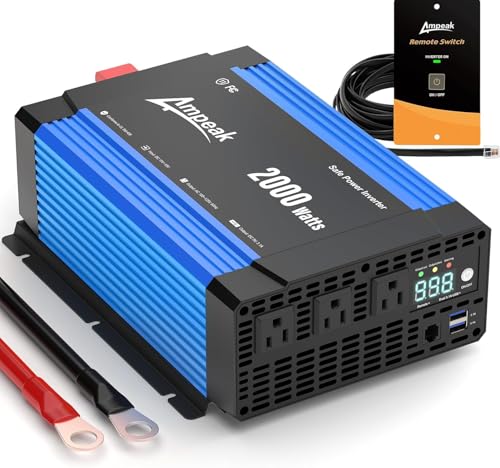
🚀 Ultra-High 89.37% Efficiency & Library-Quiet 52dB Design Stop wasting precious battery power! Our Ampeak inverter leads the market with an 89.37% ultra-high conversion efficiency, ensuring more stable current and longer run time for your devices while protecting your battery. Experience a library-quiet 52dB operation—perfect for overnight RV trips and peaceful campsites without the annoying humming.

SIZE: Flat measurement: 3" | Max Bundle Diameter: 2" | Length: 100 Feet | Color: Black
Responsibilities of Manufacturers, Importers, and Distributors
Guaranteeing compliance with RoHS regulations involves a shared responsibility among manufacturers, importers, and distributors. Manufacturers must eliminate hazardous substances from their electronic accessories and maintain thorough compliance documentation. A Declaration of Conformity (DoC) is essential, affirming that products meet RoHS requirements while detailing restricted substances.
Importers have the duty to verify that all products from non-EU countries comply with RoHS standards prior to entry into the EU market. This includes guaranteeing proper labeling and technical documentation.
Distributors are vital in the process, ensuring that the products they distribute display the CE marking, signifying compliance with RoHS and other EU regulations. When sourcing electronic accessories like Fitbit bands, distributors should prioritize authorized dealers who provide warranties and compliance documentation to ensure product authenticity and regulatory adherence. All parties within the supply chain must stay updated on changes to RoHS regulations to guarantee ongoing compliance.
Consequences of Non-Compliance With Rohs Regulations
Failure to comply with RoHS regulations can lead to significant repercussions for businesses in the electronic accessories market. Non-compliance can bar entry into the European Union market, drastically reducing sales and revenue. Companies found violating RoHS requirements risk substantial fines, which vary by member state, compounding financial strain.
Moreover, if electronic accessories contain prohibited hazardous substances, mandatory product recalls may occur, resulting in costly withdrawals from market circulation. Legal actions from regulatory bodies or affected consumers may arise, leading to further losses. Importantly, the negative impact on brand reputation diminishes customer trust, inviting long-term financial repercussions and potential loss of market access. Overall, the consequences of non-compliance are profound and multifaceted. Additionally, RoHS-compliant products often incorporate over-voltage protection and other safety features that not only meet regulatory standards but also enhance device longevity and consumer confidence.
Understanding RoHS Exemptions for Specific Applications
While RoHS regulations aim to limit hazardous substances in electronic products, some exemptions exist to accommodate specific technical challenges. These RoHS exemptions allow the use of certain hazardous substances under defined conditions, ensuring safety and performance are not compromised when alternatives are not viable.
Time-limited exemptions must be subject to periodic review, as technology and alternatives often evolve. For instance, lead in high melting temperature solders is one such example. Manufacturers need to monitor regulatory updates closely, as exemptions can change or expire, emphasizing the importance of adherence to the stipulations set forth.
These exemptions apply specifically to defined uses, underscoring the need for careful consideration in compliance efforts. In the context of electronic accessories like wireless chargers, compliance with safety and performance standards ensures products meet both regulatory requirements and consumer expectations for reliability.
Recommended Products

Plug/Connector Type: Terminal Block connection for secure hardwired installation

CONDUCTORS: Highly flexible Class K 30 gauge copper - INSULATION: EDPM jacket and paper separator - TEMP RANGE: -50°C to +105°C (-58°F to 221°F) - Rated 600 Volts

Global Context of RoHS and Its Influence on Other Regions
As the RoHS directive was introduced by the European Union, it quickly became a benchmark for similar regulations around the world. Countries like China, South Korea, and the United Arab Emirates have enacted RoHS-like laws to address hazardous substances in electronic equipment (EEE). These regional regulations aim to enhance environmental safety and reduce health risks, following foundational principles from the original EU framework.
The global reach of RoHS has resulted in compliance challenges for multinational companies. They must navigate diverse standards across international markets, as compliance requirements can vary. Regulatory authorities in these regions often include specific hazardous substances, such as lead and mercury, aiming to protect both the environment and public health effectively. Consumers seeking compliant electronic accessories, such as wireless chargers, should look for Qi certification to ensure products meet recognized safety and quality standards.
Compliance Strategies for Electronic Accessory Manufacturers
How can electronic accessory manufacturers effectively navigate the complexities of RoHS compliance? First, manufacturers must conduct thorough material assessments to identify and eliminate hazardous substances like lead and cadmium. Regular testing of components guarantees that these substances stay within permissible limits, such as 0.1% for lead and mercury. In addition, suppliers should provide material declarations to confirm the compliance of their components. Each compliant product requires a Declaration of Conformity, which outlines the manufacturer’s details and adherence to RoHS standards. Continuous monitoring of regulatory updates and regular audits are critical for staying informed about compliance obligations. Manufacturers of items like smartwatch bands should prioritize premium soft silicone and other high-quality materials that meet both safety standards and durability requirements. By implementing these strategies, manufacturers can maintain RoHS compliance and uphold the safety of their electronic accessories.
Recommended Products
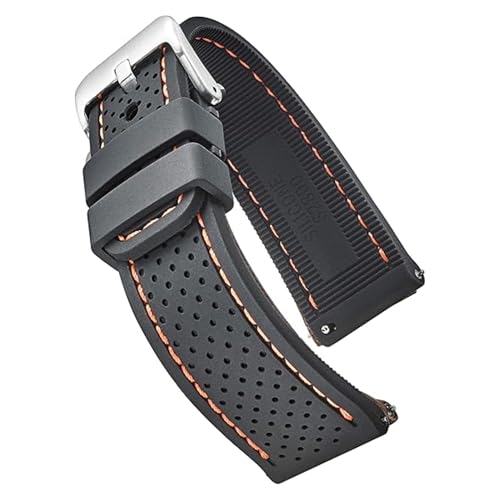
User-Friendly Design: Designed to fit a wide range of men watches and brands, ensuring a perfect match for your timepiece. Our Silicone watch bands for Women & Men are designed to provide a seamless fit, ensuring that your wristwear not only exudes style but also fits with precision and comfort.

PREMIUM MATERIAL: Ritche silicone watch band is made of flexible elastomer waterproof material. Sweat and water resistant, lightweight and easy to dry, great choice for swimming etc. Durable premium material can prevents skin from irritation. Very soft and comfortable to wear

High-end Materials - this watch band is made of highly elastic, skin-friendly, soft silicone, equipped with a 316 stainless steel tang buckle, and selected quick release pins, it is waterproof and sweat proof, very easy to wear, flexible and very durable. this rubber strap has a young and fashionable appearance, and it can match almost all traditional watches, or smart watches.
The Role of Regulatory Authorities in Enforcing RoHS Compliance
Effective enforcement of RoHS compliance relies heavily on regulatory authorities within the EU and EEA. These authorities oversee the compliance of manufacturers, importers, and distributors regarding hazardous substances in electronic accessories. They provide essential guidance on RoHS regulations, including updates on restricted substances and compliance requirements.
Through compliance audits and inspections, regulatory authorities actively enforce these regulations, imposing penalties such as fines, product withdrawals, and recalls for non-compliant entities. They also engage with industry representatives to align market practices with evolving technologies and stakeholder feedback. By issuing reports on compliance rates, they help inform manufacturers about trends and standards in the market, ultimately supporting better adherence to RoHS compliance.
Frequently Asked Questions
What Does Rohs Mean on Electronics?
RoHS signifies adherence to regulations controlling hazardous materials in electronics. It emphasizes compliance testing, ensuring product safety by minimizing electronic waste’s environmental impact. Manufacturers must meet certification requirements, promoting consumer awareness and aligning with global standards.
What Are the 10 Elements of Rohs?
In a hypothetical scenario, a manufacturer faces RoHS compliance challenges when identifying lead, mercury, cadmium, and other restricted substances. Understanding RoHS directives explains their impact and the importance of certification amidst international standards and enforcement agencies.
How to Determine Rohs Compliance?
The RoHS certification process involves verifying suppliers, employing testing methods to identify restricted substances, steering through compliance challenges, adhering to government regulations, ensuring proper product labeling, and collaborating with certification agencies to mitigate environmental impact. Buyer responsibility remains essential.
Is Rohs Mandatory in the USA?
In the garden of electronics, RoHS is like a distant star—visible but not mandatory in the USA. RoHS regulations, testing, and certifications shape industry practices, guiding products through a patchwork of compliance and environmental implications.