As an Amazon Associate, we earn from qualifying purchases. Some links on this site are affiliate links at no extra cost to you. Our recommendations are based on thorough research and editorial judgment.


How Watch Band Width Affects Overall Appearance

Strap width plays a crucial role in a watch’s overall aesthetic. Wider straps create a bolder look, complementing larger cases, while narrower ones enhance elegance for smaller watches. The ideal strap width is about half the watch case size, ensuring visual balance. Odd sizes, like 19mm, can lead to compatibility issues and limited options. Additionally, material choices influenced by strap width affect perception and comfort. For more insights into achieving the perfect watch strap fit, further details await.
Key Takeaways
- Strap width should ideally be half the watch case size for a balanced aesthetic and visual harmony.
- Wider straps enhance the boldness of larger watches, while narrower straps offer elegance for smaller timepieces.
- Odd strap sizes create compatibility challenges and limit aftermarket options, affecting the overall style.
- Tapered straps improve comfort and visual flow, enhancing the overall appearance of both large and small watches.
- Material and width influence weight perception; wider straps can make heavier cases appear lighter and more balanced.
The Importance of Strap Width in Watch Design
You may be interested


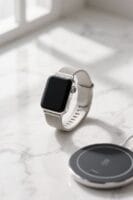
Strap width greatly impacts the overall visual appeal and functionality of a watch. Typically ranging from 18mm to 26mm, the ideal strap width correlates with watch case size. For larger watches, a wider strap enhances the bold aesthetic, while narrower straps are better suited for smaller watches, offering an elegant look.
To achieve visual balance, the strap width should ideally be about half the size of the watch case. Odd sizes, like 19mm or 21mm, can limit replacement options, affecting the overall look. Additionally, tapered straps, which decrease in width towards the clasp by 2-4mm, enhance comfort and style, contributing further to a cohesive design that is visually pleasing and functional. For fitness-oriented smartwatches, standard widths like 22mm work well with quick-release mechanisms that allow for easy band swaps without requiring tools.
Aesthetic Considerations: How Width Affects Visual Appeal
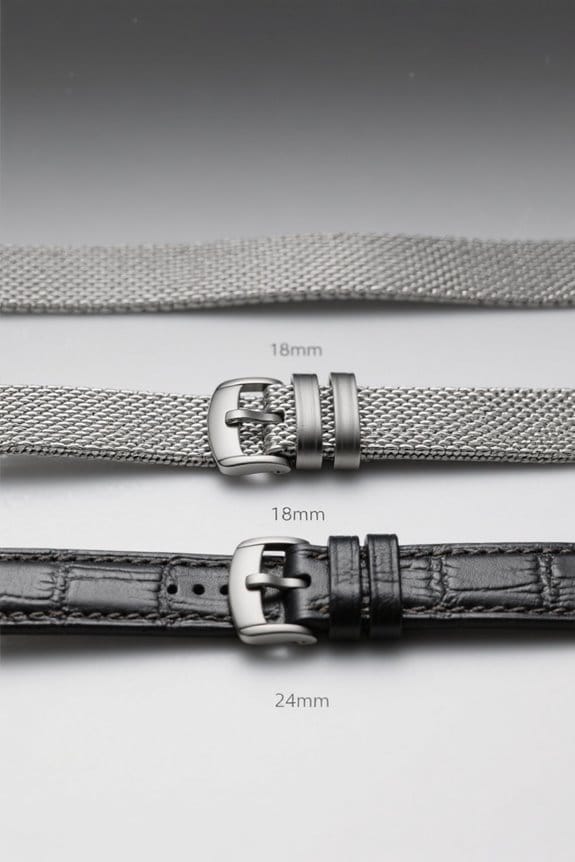
When considering a watch’s overall design, its width plays a pivotal role in achieving visual harmony. The strap width greatly impacts visual balance; for a 40mm watch, a 20mm strap maintains proportional appeal. Wider straps create a more robust appearance, effectively complementing larger watch cases, while narrower straps enhance the elegance of smaller watches.
Mismatched strap widths can compromise aesthetic harmony, leading to an unbalanced look. For instance, a thin strap on a larger watch may seem disproportionate. Tapering in straps, which reduces width from lugs to buckle, offers a sleeker appearance, especially for dress watches. Additionally, color and material influence the watch’s visual impact, with wider leather straps providing a bold look, while narrower straps convey a refined impression. The combination of polished edges and mesh design in Milanese loop bands enhances their visual appeal, making them suitable for both casual and formal occasions.
Compatibility Issues With Odd Strap Sizes

Finding the right watch strap can become challenging, especially with odd sizes like 19mm and 21mm. These sizes often create compatibility issues, limiting options for replacement straps. Many luxury watch brands use proprietary strap widths, making aftermarket straps more challenging to find and often pricier.
Even slight variations in strap widths, such as 1mm differences, can greatly impact the watch’s lug width and affect the overall aesthetic appeal.
Enthusiasts sometimes resort to mixing strap sizes, but this approach may not guarantee a perfect fit or cohesive look. As watch cases trend towards larger designs, the availability of properly fitting replacements for odd strap sizes becomes even more complicated, potentially frustrating collectors and users alike. Understanding compatibility across watch models is crucial, as modern smartwatches like the Apple Watch Series 9 accommodate multiple sizes ranging from 38mm to 49mm, demonstrating how standardized sizing can simplify the selection process.
The Impact of Strap Width on Comfort
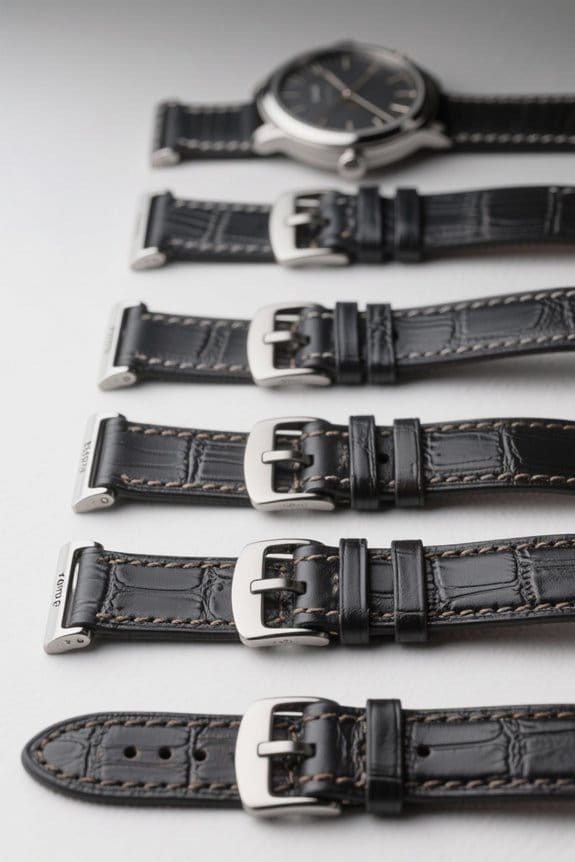
Comfort in watch wear is heavily influenced by strap width. A snug strap fit, approximately an inch across the wrist, enhances comfort considerably. If the width is too narrow or too wide, it can create discomfort and disrupt the watch experience. For heavier cases or larger wrists, wider straps generally provide better support.
Straps that taper from a wider lug width to a narrower end not only offer a balanced look but also increase comfort by allowing thinner material to rest against the wrist. The ideal watch, such as a 40mm watch face with a 20mm strap, guarantees harmonious proportions that contribute to both comfort and aesthetic appeal, making wearability a priority for watch enthusiasts. Materials like breathable silicone and stainless steel mesh further enhance comfort by promoting airflow and reducing moisture buildup during extended wear.
Trends in Watch Strap Width Preferences

Recent developments in watch strap widths indicate a shift in consumer preferences, merging both vintage and contemporary aesthetics. The popularity of strap widths like 19mm is rising, appealing to collectors drawn to unique designs. Watch enthusiasts are increasingly favoring wider strap options, particularly 20mm, to enhance compatibility and guarantee a proper fit during strap selection.
Brands such as Nautilus and Royal Oak often utilize proprietary strap widths, complicating aftermarket choices. Additionally, trends towards larger case sizes correlate with the preference for wider straps, promoting a balanced appearance. Many enthusiasts advocate for consistent strap sizes, noting that even slight deviations can impact a watch’s overall design and functionality. This preference signifies a growing awareness of how strap width influences visual appeal. Smartwatch bands, particularly those designed for devices like the Fitbit Versa 2, now offer adjustable sizes that accommodate wrist dimensions from 5.5 to 9.8 inches, reflecting the broader industry emphasis on personalized fit and comfort.
Measuring Your Watch for the Perfect Band Width
How can watch aficionados guarantee they select the right band width for their timepiece? The first step is to measure the lug width, which is the distance between the interior edges of the lugs. Utilize a digital caliper for accuracy, recording this measurement in millimeters (mm). Most lug widths typically range from 18mm to 26mm, with 20mm often being the ideal choice for men’s watches.
When choosing a band width, it should ideally be about half the diameter of the watch face to create a balanced look. Always be cautious, as even a slight discrepancy of 1mm can complicate strap compatibility, especially with luxury brands that might possess proprietary dimensions. For Garmin watches, many models utilize quick-fit mechanisms that allow for tool-free band changes, making it convenient to swap between different width options like 22mm or 26mm bands.
Popular Strap Widths and Their Applications
Selecting the right strap width is essential for achieving both style and functionality in watch bands. Strap widths typically range from 18mm to 26mm, with 20mm being popular for men’s watches. Narrower straps (18-20mm) enhance the elegance of dress watches, while wider straps (20-24mm) provide a bolder look suitable for sports and larger timepieces.
The trend towards 19mm straps caters to vintage designs, addressing collector frustrations. For a refined appearance, a strap that tapers from a wider width at the lugs to a narrower end, like 22/20mm, adds comfort while maintaining visual balance. It is vital to match strap width with the watch case to avoid disproportionate looks on the wrist. For smartwatch users, the Apple Watch 45mm requires bands specifically designed to fit wrist sizes ranging from 5.1 to 8.5 inches for optimal comfort and proper functionality.
The Role of Tapering in Watch Straps
Tapering in watch straps plays a significant role in enhancing both the aesthetics and comfort of a watch. This design usually starts wider at the lugs and gradually narrows by 2 to 4mm towards the buckle. A tapered strap, such as 22/20mm, offers a sleeker profile, increasing elegance and versatility.
- Aesthetics: Subtle tapering can make smaller watches appear more refined while balancing larger watches with straight straps.
- Comfort: The thinner end allows for easier adjustment, improving overall wearability.
- Sophistication: Tapered straps are particularly complementary to formal wear, adding a touch of elegance.
In combination, these features enhance both the visual appeal and functionality of the watch. Proper band sizing is also critical, as most quality straps offer adjustable sizing to fit wrist circumferences ranging from 130mm to 200mm, ensuring both comfort and security during wear.
Choosing the Right Material Based on Strap Width
When it comes to choosing the right material for a watch strap, width plays an essential role in achieving the desired look and feel. Wider straps, ranging from 20mm to 24mm, often utilize rubber or nylon materials that provide a sporty appearance, complementing casual or athletic styles. In contrast, leather straps, especially in widths of 18mm to 20mm, contribute an elegant touch suitable for dress watches.
Metal watch bands, commonly around 20mm to 22mm, offer a bold presence that nicely balances larger watch cases without overwhelming the wrist. Premium 304 stainless steel construction in these widths provides both durability and a lightweight experience that enhances comfort during daily wear. Ultimately, selecting the correct material based on width not only affects the strap’s flexibility but also the overall appearance, ensuring harmony between the strap and case.
How Strap Width Influences Watch Weight Perception
Strap width greatly impacts how one perceives the weight of a watch. Wider straps create a visual perception of a heavier watch, presenting a more substantial appearance on the wrist. In contrast, narrower straps enhance a lighter appearance by allowing the watch case to stand out, making it seem less bulky.
The overall balance of a watch is vital; wider straps may reduce the perceived weight of a larger case, while narrower ones emphasize a delicate design. For instance, the Seiko SPB077, featuring a 20mm strap on a 44mm case, exemplifies how alignment of strap width with case size can enhance visual coherence. This balance contributes to the overall look, ensuring elegance without overwhelming the wearer’s wrist.
Choosing lightweight nylon bands can further enhance comfort and reduce the actual weight on your wrist, making them an excellent option for those who prioritize both style and wearability.
Strap Width Variations in Luxury Watches
In the world of luxury watches, strap width plays an essential role in both functionality and aesthetics. Various watch styles often feature unique strap widths, making the selection of the perfect watch strap a challenge for collectors. For example, many brands, like IWC and Omega, design proprietary lug widths, limiting aftermarket options, particularly for sizes such as 19mm and 21mm.
Wider strap widths, such as 20mm, are generally favored, providing better compatibility and enhancing visual balance. Contemporary trends also indicate a rising interest in 19mm straps, appealing to both vintage and modern preferences. Ultimately, personal preference dictates which strap material—be it leather straps or metal—that best complements a watch’s design and the owner’s wrist.
Final Tips for Achieving a Harmonious Look
Achieving a harmonious look with a watch involves careful consideration of band width in relation to the watch case. To find the perfect match, the ideal watch band width should roughly equal half the diameter of the case. For instance, a 40mm watch pairs well with a 20mm strap, while 18mm straps enhance the elegance of dress watches.
When selecting an appropriate strap, measure the distance between lugs to guarantee a seamless fit. Additionally, opting for tapered straps can create visual flow, enhancing the overall look and feel. Misalignment in strap widths can disrupt harmony, so consistency across different styles is essential. This attention to detail allows watches to complement individual style while maintaining a polished, harmonious look.
Frequently Asked Questions
What Is the Most Common Watch Band Width?
The most common watch band width for men’s watches is 20mm, creating an aesthetic balance across various styles. Sizing charts reflect trends, while material choices and strap colors complement wrist sizes and different buckle types effectively.
Can You Fit a 22MM Strap on a 21MM Watch?
Fitting a 22mm strap onto a 21mm watch may symbolize the quest for harmony—a pursuit often marred by strap compatibility issues. The mismatch can disrupt aesthetic balance, impacting style, comfort, and ultimately, personal preference.
Will a 20MM Watch Band Fit a 19MM?
A 20mm watch band will not fit a 19mm watch without modifications. Band compatibility impacts comfort factors and aesthetics, so careful strap selection is essential. Resizing options exist but may compromise style preferences and overall design integrity.
How Wide Should Your Watch Be?
To determine watch size, consider wrist measurements and style preferences. Band width impact varies with casual versus formal designs. Metal or leather options should suit overall aesthetics, while color coordination and watch case fit enhance visual appeal.


