As an Amazon Associate, we earn from qualifying purchases. Some links on this site are affiliate links at no extra cost to you. Our recommendations are based on thorough research and editorial judgment.


How to Determine the Right Band Width for Your Watch Case

To determine the right band width for a watch case, users should measure the lug width in millimeters. Most watches range from 18mm to 26mm for men’s watches, and 14mm to 20mm for women’s. Use digital calipers or a millimeter ruler for exact size. Accurate measurements guarantee straps fit securely. It’s important to choose straps that match or slightly exceed the lug width for comfort and aesthetics. Further insights on strap choices await your attention.
Key Takeaways
- Measure the lug width accurately using digital calipers or a millimeter ruler for precise fitting.
- Check existing watch bands for imprinted width sizes to guide your strap selection.
- Choose a strap width that matches or slightly exceeds the lug width for optimal stability and comfort.
- Consider the watch’s overall aesthetic; wider straps complement larger cases for better visual balance.
- Ensure about an inch of extra strap length for comfort, allowing adjustable options for a snug fit.
Understanding Watch Lug Width
You may be interested



Watch lug width plays an important role in determining the compatibility of straps with a watch case. It refers to the distance between the two lugs, typically ranging from 18mm to 26mm, with 20mm being common for men’s watches. To guarantee a strap that fits securely, it is vital to have an accurate measurement of the watch lug width, as straps are made in whole millimeter sizes from 16mm to 24mm.
Using digital calipers or a millimeter ruler can help achieve precise measurements. When you measure your wrist circumference, remember to take into account watch strap size as well. For Apple Watch users, bands are designed to accommodate wrist sizes ranging from 5.1 to 9.2 inches, with some options tailored specifically for 49mm size cases. With the right information, selecting a strap in different sizes that complements your wrist size becomes an easy task, enhancing both comfort and style.
Measuring Lug Width Accurately

Accurate measurement of lug width is essential for guaranteeing a proper fit for watch straps. To measure lug width, one should use digital calipers or a millimeter ruler to find the distance between the inside edges of the lugs on the watch case. It is important to measure in millimeters (mm), as watch straps typically range in size from 16mm to 24mm.
If using a ruler, guarantee proper alignment for precise measurement, converting inches to millimeters if needed. Additionally, check if the width size is imprinted on the underside of existing watch bands. Always double-check measurements to avoid errors, as an incorrect lug width can lead to ill-fitting watch straps that detract from both comfort and style. Many replacement bands for fitness trackers feature adjustable sizes ranging from 5.4 to 7.6 inches to accommodate different wrist measurements.
Recommended Products

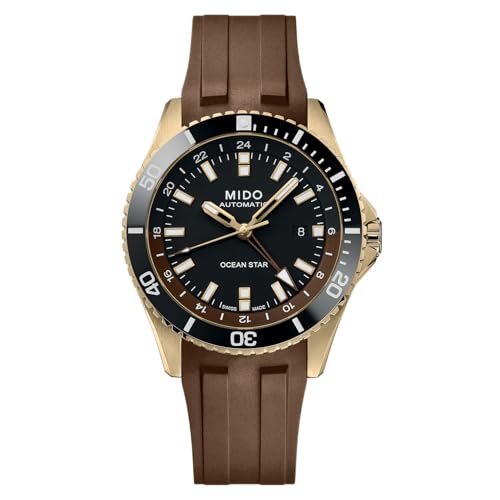
GMT Swiss Watch: The practical GMT function makes it possible to display two time zones simultaneously thanks to an additional hand that makes one complete revolution in 24 hours and uses a bezel graduated over 24 hours to indicate a second time zone.
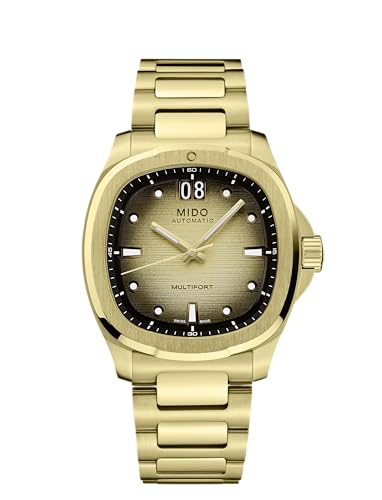
Swiss Made Watch for Men and Women
Importance of Strap Width

Selecting the correct strap width is fundamental for ensuring both comfort and style in a watch. The strap width is determined by measuring the lug width, the distance between the lugs on the watch case, typically ranging from 18mm to 26mm. A mismatched strap width can lead to an uncomfortable fit and compromise the watch’s appearance.
Knowing the width of your existing strap, or accurately measuring the lugs, is vital for selecting a compatible replacement strap. Different watch styles often necessitate various strap widths for aesthetic balance; for example, a 20mm strap is commonly associated with men’s watches. Some leather straps have sizes imprinted, while other materials may require measuring tools like calipers or rulers for precision. When considering materials, evaluate options with high-quality microfiber leather for enhanced durability and comfort during daily wear.
Common Lug Width Sizes

Understanding common lug width sizes helps in choosing the right watch strap. Lug widths typically range from 18mm to 26mm, with 20mm being the standard for most men’s watches. For women’s watches, common sizes range between 14mm and 20mm, accommodating diverse wrist sizes and styles.
When measuring lug width, accuracy is key, as it directly affects compatibility with watch straps. Most straps come in whole millimeter increments, allowing for precision fitting based on these measurements. Additionally, it is crucial to recognize that tapered straps may vary, such as having a 22mm lug width that narrows to 20mm at the buckle end, further emphasizing the need for precise measurement. For Apple Watch users, the 45mm case requires bands that fit wrist sizes typically ranging from 5.1 to 8.5 inches, ensuring proper compatibility across different band styles and materials.
How to Choose the Right Band Width
When determining the right band width for a watch case, one might wonder what factors genuinely influence the decision. The essential measurement is the lug width, defined as the distance between the inside edges of the lugs. This dimension primarily affects strap compatibility.
To find the ideal watch band size, one can measure manually using digital calipers for accuracy, or a standard ruler, guaranteeing correct conversion from inches to millimeters. Standard lug widths range from 18mm to 26mm, with 20mm being common for men’s watches.
Selecting a strap that matches the lug width guarantees a comfortable fit and enhances the watch’s visual appeal, avoiding the pitfalls of an ill-fitting band. Beyond the technical fit, consider that bands should accommodate various wrist sizes comfortably, with many quality options offering adjustability between 5.1 to 8.8 inches to ensure proper sizing for daily wear.
Factors Affecting Strap Width Choice
Choosing the appropriate strap width for a watch case involves several considerations beyond just the lug width. To guarantee compatibility, one should measure the internal distance between the watch’s lugs accurately, typically ranging from 18mm to 26mm. A common size for men’s watches is 20mm.
Strap aesthetics play an essential role; a tapered strap can enhance both comfort and appearance by evolving from a wider lug width to a narrower buckle. Additionally, matching the strap width to the case size is important—smaller watches benefit from narrower straps, while larger cases are better suited to wider ones. For watches with unique strap configurations, such as double tour bands that wrap elegantly around the wrist, width selection becomes even more critical to ensure both proper fit and aesthetic appeal. Overall, these factors contribute to the perfect blend of comfort, compatibility, and style.
Troubleshooting Strap Fit Issues
Addressing strap fit issues begins with accurate measurements. First, determine the watch’s lug width by measuring the distance between the inside edges of the lugs in millimeters. Finding the right size band is essential for both comfort and functionality.
- If the strap is too loose: Adjust the strap length or select a model with a different width that fits snugly between the lugs.
- If the strap feels too tight: Check for adjustability or consider a slightly wider strap that accommodates your wrist size better.
Review any imprints on your existing watch bands to verify the replacement matches the required width. The right strap should fit snugly, allowing about an inch of space around the wrist for comfort. Just as device compatibility confirmation is crucial before using wireless charging technology, verifying band width specifications ensures your watch strap will function properly with your specific case model.
Recommended Products

Movement: Automatic Mido Caliber - Power reserve 72 hours

Exploring Different Strap Materials
A wide range of materials is available for watch straps, each catering to different aesthetics and functionality. The leather strap offers a classic and sophisticated look but requires maintenance to preserve its condition. In contrast, stainless steel is highly durable and resistant to corrosion, ideal for everyday wear.
Nylon straps are lightweight and breathable, perfect for sporty styles, while rubber and silicone straps provide flexibility and water resistance, making them suitable for active or diving watches. For fitness enthusiasts, hypoallergenic silicone bands offer moisture-wicking properties that enhance comfort during intense workouts and outdoor activities. When selecting a strap, it is essential to take into account watch strap length and dimensions to guarantee a proper fit. Understanding these different materials will help individuals choose the most suitable option for their needs and lifestyle.
Recommended Products

AUTOMATIC MOVEMENT: Swiss H-21-Si chronograph movement with a 60-hour power reserve and innovative silicon balance spring, delivering precision and reliability—a testament to advanced Swiss craftsmanship.

AUTOMATIC MOVEMENT: Swiss H-21-Si chronograph movement with a 60-hour power reserve and innovative silicon balance spring, delivering precision and reliability—a testament to advanced Swiss craftsmanship.

Movement: COSC-Certified Automatic Mido Caliber 80 Chronometer SI with silicon balance spring. In addition to its non-magnetic properties, it offers greater precision and improved shock resistance. This caliber ensures exceptional autonomy of up to 80 hours.
Enhancing Your Watch Aesthetics With the Right Strap Width
Enhancing your watch’s appeal can often hinge on selecting the right strap width. The strap width, measured in millimeters, must align with the watch case for a perfect fit. Typically, widths range from 18mm to 26mm, with 20mm being standard for men’s watches.
A well-proportioned band width creates visual harmony, making the watch appear cohesive and polished. Wider straps are generally suited for larger watch sizes, ensuring proper balance. Straps that match or slightly exceed the lug width provide stability on your wrist, enhancing comfort and reducing the chance of a loose fit.
Choosing the appropriate strap width not only complements the watch case but also elevates the overall aesthetics of the timepiece. For smartwatches like the Apple Watch 42mm, bands accommodate sizes from 38mm to 49mm, offering versatility across different models and series.
Frequently Asked Questions
How to Determine Watch Band Width?
To determine watch band width, assess the watch size and lug measurements using various measurement techniques. Consider band compatibility with different case types and strap materials, applying fitting tips for ideal strap sizing.
How Do You Know Your Band Width?
Like tailoring a suit, understanding band width requires precise measurements. A band measurement guide suggests checking lug widths, while strap sizing tips guarantee watch case compatibility, essential for adjusting band length across common watch sizes and fabric types.
What Does 22MM Watch Strap Mean?
A 22mm watch strap indicates the width necessary for compatibility with a watch case. Different watch strap types and material options, alongside fitting comfort factors and strap length adjustments, influence style and function across popular watch brands.
Does a 46MM Band Fit 49MM?
A 46mm band generally does not fit a 49mm watch, as proper band compatibility relies on lug width measurements. Comfort factors, sizing guidelines, and fashion trends dictate that an appropriately sized strap enhances overall watch design.